
Case study · Cycle sharing
Wellcome Genome CampusCompleted pilot, 2024
Closing the two-mile gap between a world-class campus and its station

At a glance
- Where
- Wellcome Genome Campus and Whittlesford Parkway station, south Cambridgeshire
- When
- 14 August to 13 September 2024
- Set-up
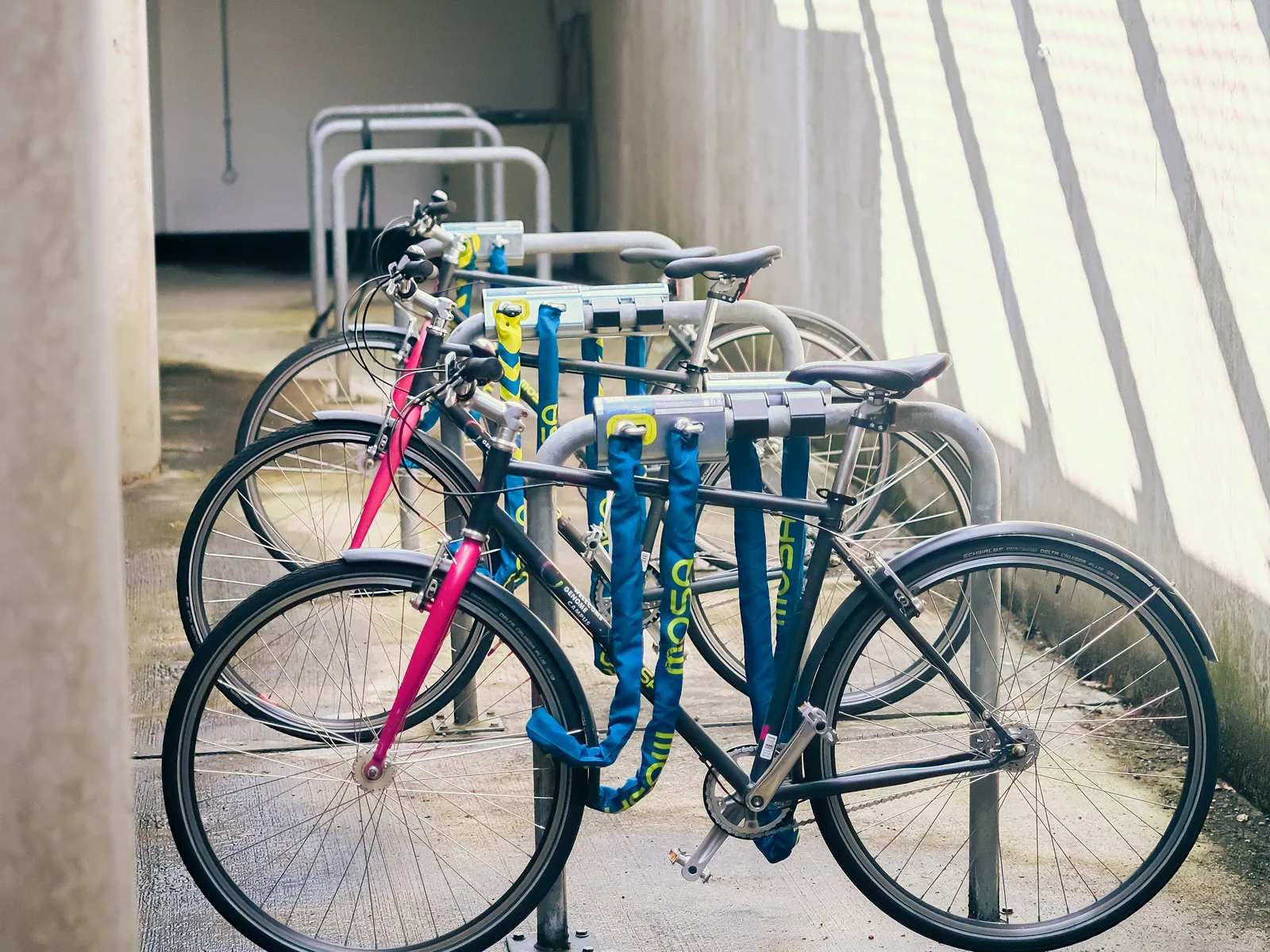
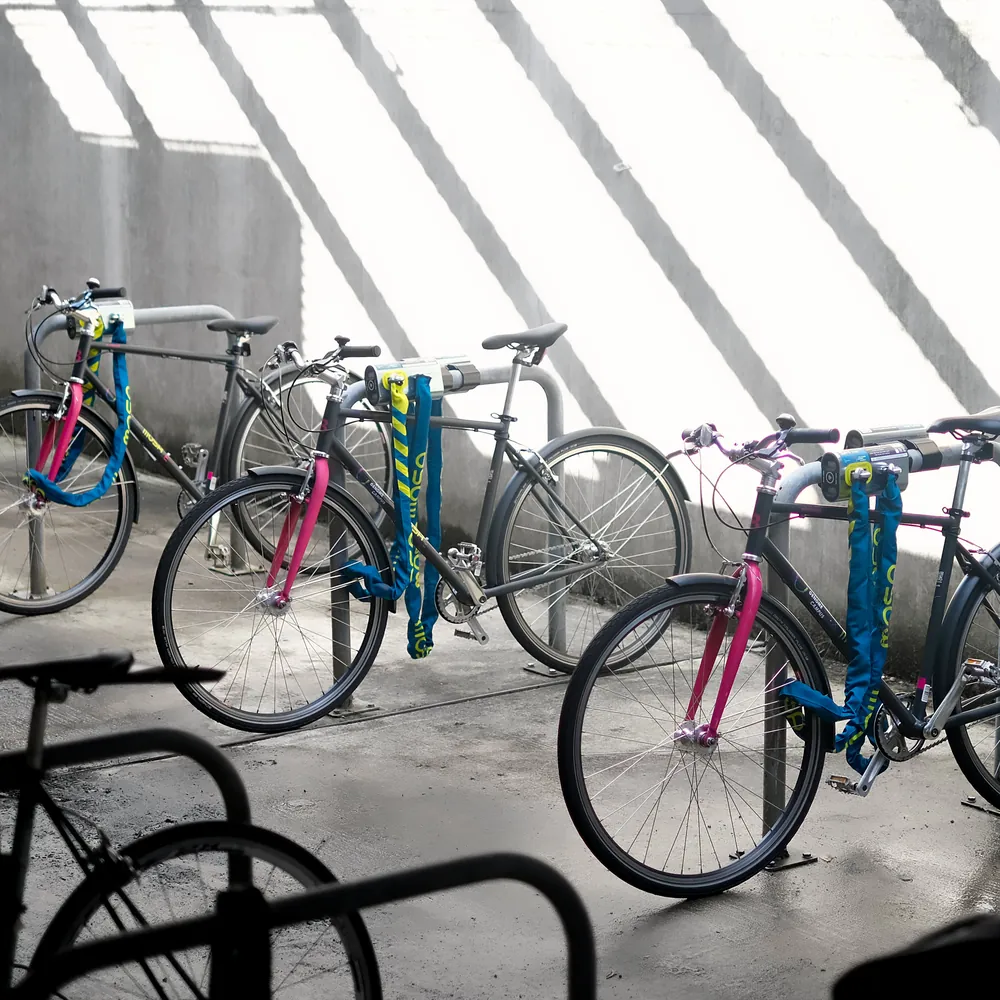
- 10 smart docks, five at each end, and five shared bikes, point to point
- Backed by
- The Department for Transport’s Transport Research and Innovation Grants 2023, with Connected Places Catapult
- Delivered with
- Wellcome Genome Campus, Cambridgeshire County Council (Smart Journeys), UCL MUSA Lab, and Holiday Inn Express Cambridge-Duxford, which hosted the station docks
The challenge
The campus sits two miles from its nearest station, with no direct public transport. Shuttle buses run only at commuting hours, so staff and visitors who miss them drive or take taxis.
The same gap exists at research campuses and business parks across rural and suburban Britain, where conventional bike share does not operate.
Results
- 33 staff registered interest With minimal promotion. Target: 30
- 37 completed journeys in four weeks
- 80% of app users rode during the pilot
- 0 bikes lost
- 8 in 10 surveyed riders would use a permanent scheme at least once a week
What we did
- Researched the market with UCL’s MUSA Lab, interviewing seven local authorities and two major campuses.
- Ran a docked, point-to-point service between station and campus on existing racks.
- Extended hours from daytime to 24/7 after riders asked for it.
- Kept the service running where docks sat in an underground car park with no mobile signal.
In their words
“The trial has improved connectivity for our staff and visitors and reaffirms our commitment to supporting active travel, which is often a challenge given our rural location.”
“I like that I could advise campus visitors to use train [and] the bikes. I’ve had people complain to me at conferences about having to use taxis to get here and how car-centric our location is.”
What we learned
Shared cycling outside cities works differently from city bike share. Riders used it alongside the shuttle, mainly for journeys the buses did not serve, such as early, late and weekend trips.
They were happy to plan around a small fleet, which keeps operating costs low. And connectivity cannot be assumed in rural settings, so the system has to work offline.
Built since
Offline digital keys now work without any signal at the dock, and the same platform runs the larger, live scheme at RHS Bridgewater.
What happened next
The results led Cambridgeshire County Council’s Smart Journeys team to bring together four South Cambridge research campuses to explore a shared cycle network linked to rail hubs.



Cycle sharing
Running a campus or business park with a last-mile gap?
EveryoneCycles is the community cycle sharing service behind this pilot.